The reality is that many businesses won’t adapt in time. Not because they’re lazy or don’t care, but because they’re operating with rules that no longer exist.
The Al era doesn’t care how long you’ve held the top spot-on Google, how many backlinks you’ve banked, or how pretty your keyword report looks. It cares about one thing: are you worth remembering when it’s time to answer the question?
Right now, only a handful of businesses are making themselves impossible to forget—the ones teaching AI what ‘trusted’ looks like, showing up in the data, conversations, and citations that ChatGPT, Perplexity, Claude, and even Google reuses day after day.
Everyone else? They’re fuel.
They’re training material. They’re the raw content AI scrapes, summarizes, and serves up—without your name on it.
I’ve seen it up close. Companies that spent years fighting for position one on Google—back when the deal was clear: you create the content, Google uses it, and Google sends you traffic. That deal is gone. Now your best ideas can be pulled into azero-click answer, with nothing coming back your way. You can waste time being angry about it—or you can adapt to the new rules.
This isn’t just about lost clicks. It’s about disappearing from the places that decide if you’re visible at all.
So, here’s the real cost of failing to evolve: every day you keep playing the old SEO game, you’re feeding the machine that will replace you.
And when you finally realize what’s happening? It’s already too late to matter.
The Winners Already Know This Is a “Winner Takes Most” Game
You can feel the shakeout if you’ve been in this game as long as I have.
When AI Overviews began dominating search results, the first wave of businesses froze. They waited for Google to clarify—to soften the blow, to keep the clicks flowing.
They thought they had time. They were wrong.
The smartest players didn’t stand around hoping the asteroid would miss them. They built for the fallout.
They stopped obsessing over where they ranked and started caring about whether they’d get remembered—cited, trusted, repeated.
Here’s what too many still don’t get: the old Google spread the wealth. A few clicks for you, a few for your competitor. A fair fight—for a while. That’s gone. AI Overviews, ChatGPT, Perplexity—these systems don’t hand out scraps. They pick the names they trust and bury the rest. And that’s not speculation—that’s the data. Siege Media’s six-month study showed companies with real authority saw their homepage clicks jump 10-15% when AI Overviews rolled out.
For everyone else, it wasn’t a gradual dip—traffic vanished like smoke, leaving nothing but a lingering sense of ‘What happened?’
I’ve watched it happen in real time.
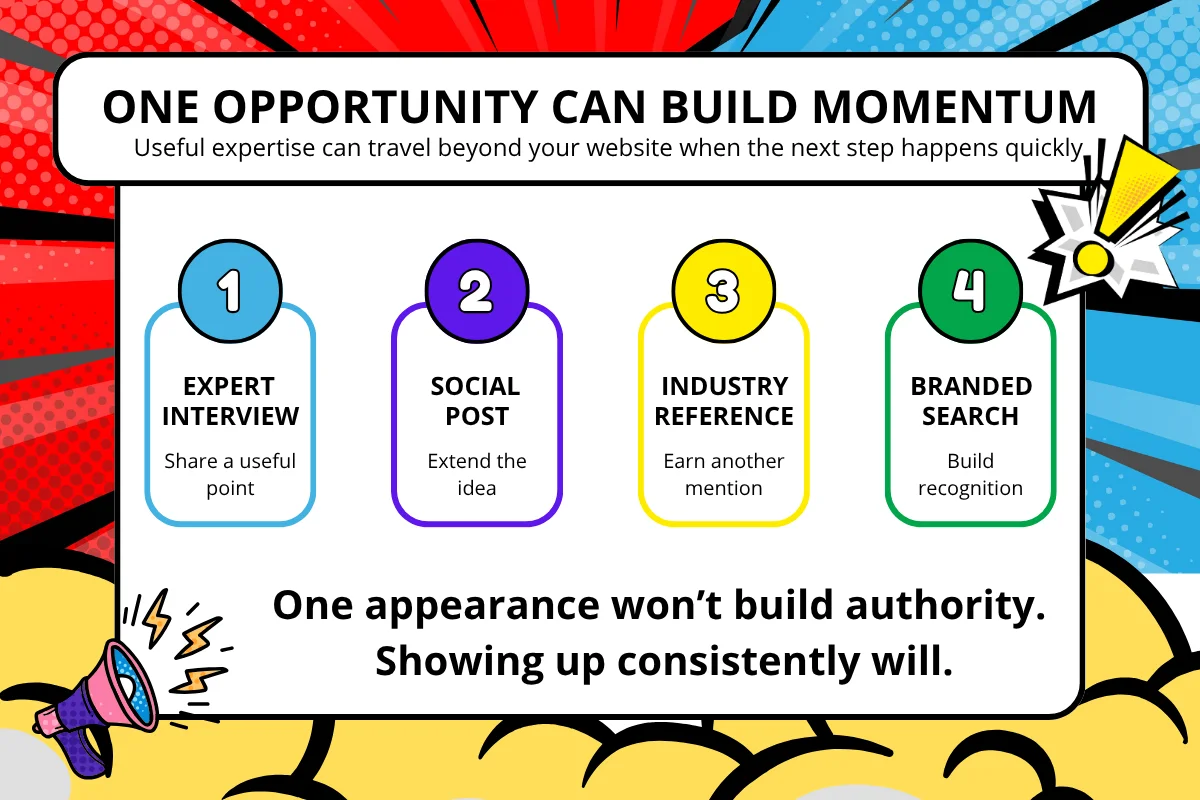
A mid-sized SaaS company, outspent by the giants in its space, was invisible until they earned a single mention in TechCrunch—just one quote in the right place. But they didn’t stop there. That spark turned into a podcast invite, a Reddit thread, and a deep-dive webinar where they doubled down on their expertise.
Every new mention trained the AI to see them not as a fluke, but as the trusted source in their niche. That’s how this works now: one clever move can light the fire. But it’s your consistent signals that keep it burning. This isn’t about winning once. It’s about showing up again and again.
What This Shakeout Looks Like in Real Life
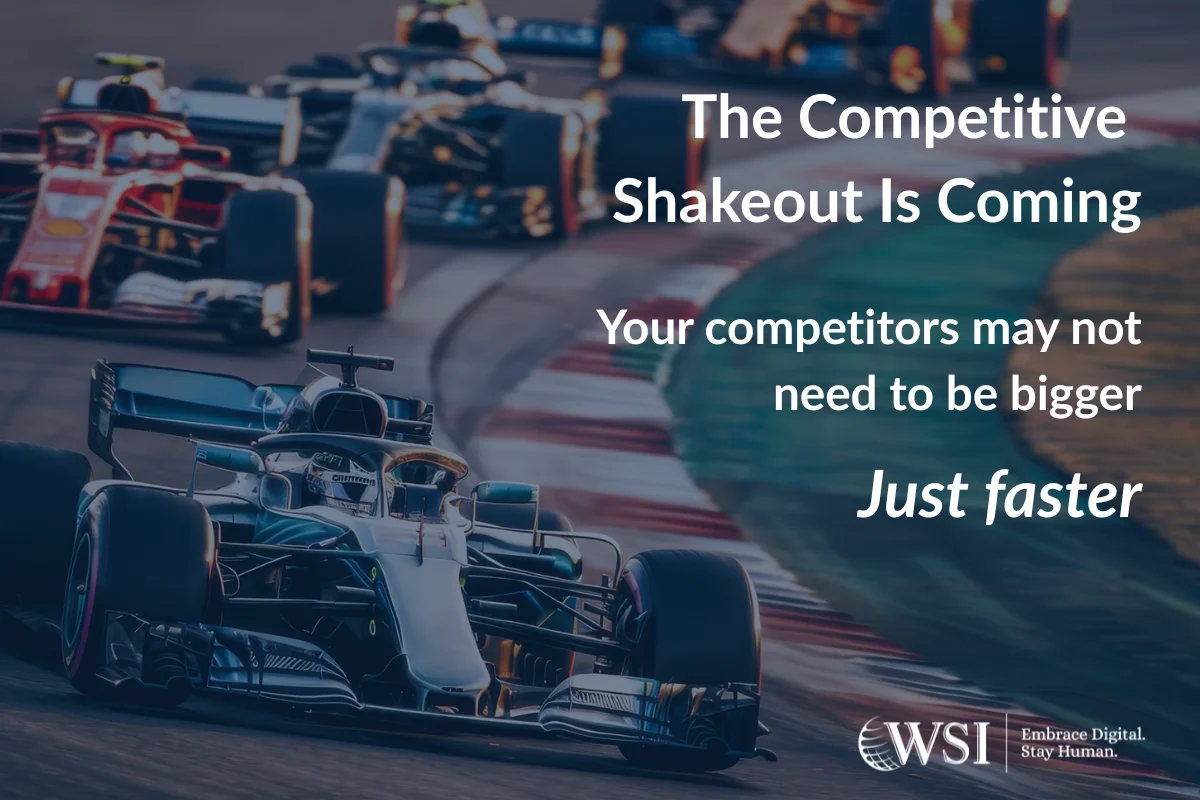
This shakeout isn’t about company size. It’s about speed. I’ve seen big brands, flush with cash, watch their relevance get buried overnight. I’ve seen solo entrepreneurs break through because they moved when others froze. To illustrate, let’s look at some real-world scenarios of what’s happening.
The Boutique Law Firm That Broke Through on a Mic
Picture a small employment law firm. Not a big downtown giant, no fancy skyscraper lobby. They’d been doing SEO by the book for years: generic blog posts, a few backlinks, the same tired FAQs. Nothing changed—until they did.
The managing partner said yes to a single HR podcast. No script, no PR spin, just real talk about tricky layoffs and severance rights. That episode was clipped, shared on LinkedIn, and even dropped into HR newsletters, with a link in a Reddit thread.
Now, when someone asks ChatGPT, “What should I know about severance pay?” her firm actually shows up.
But they didn’t stop at one podcast. They kept going: more guest spots, sharper sound bites, better stories.
That’s how you move from ignored to cited—and stay there.
The Taco Spot That Got Left Off the Menu
Picture a small taco joint in Austin, Texas that the locals swear by. Family recipes, loyal customers, lines out the door on weekends.
For years, they sat comfortably at the top of Google for “best tacos in Austin.” Tourists, new residents, and conference-goers found them instantly.
So, they stuck to the same playbook: keep the doors open, post the occasional menu update, maybe share a photo on Instagram. Why change what’s working?
Then AI Overviews and chat-based recommendations took off. Tourists and new residents started asking, “Where should I get tacos in Austin?” —not in Google, but in ChatGPT, Perplexity, or voice assistants.
The AI answers came back with places mentioned in recent food blogs, local news roundups, and curated “best of” lists from trusted publishers. Their taco shop? Missing entirely.
They weren’t featured in any updated “Top 10” lists. A local food writer hadn’t covered them in years. No mentions in community events or city guides that AI actually references.
The food hasn’t changed. The locals still come. But the steady stream of new visitors, which was the lifeblood of their growth, has diminished. Not because they got worse, but because they stood still while the world moved on.
The Specialty Florist Who Stopped Hiding Behind the Counter
Picture a boutique florist in Savannah, Georgia, pouring energy into climbing Google’s rankings. She blogged about flower care, tweaked keywords, and refreshed her gallery, all in the hope that one more SEO adjustment would bring in more orders.
Then the owner attended a seminar on AI search at her local Chamber of Commerce. That’s when it clicked: AI tools weren’t just scanning her website, they were answering people’s questions using sources she’d never touched.
So, she tried something different.
She began appearing in places where people were already paying attention. She posted quick arrangement tips on Instagram, shared seasonal centerpiece ideas with a local lifestyle magazine, and gave quotes for a regional wedding blog that was already citing her.
She also began capturing behind-the-scenes videos for TikTok—selecting flowers at the market, arranging bouquets, setting up event spaces, and explaining which flowers are in season (and cheaper) each month. Live
Q&A sessions became a regular part of her week. Within months, those appearances started stacking up.
Suddenly, when someone typed into ChatGPT, “Who should I talk to for wedding flowers in Savannah?” or asked Perplexity, “What’s the best place for luxury arrangements near me?”, her name came up in the answer.
The Businesses That Win Don’t Wait
If you’re wondering if this is survivable—it is.
But only if you stop waiting.
This isn’t about chasing the next keyword trend. The businesses that stay visible don’t sit around hoping AI finds them. They show up where trust is built—and they keep showing up until AI can’t help but recognize them.
Look at Canva. It didn’t just launch “AI design tools” and hope people would find them. It got its founders in front of real journalists. Melanie Perkins and Cameron Adams gave interviews, shared their story, and attended events that mattered. Fast Company named Canva one of the World’s Most Innovative Companies.
TechCrunch covered the launch of Magic Studio. They published original research, such as their Design Trends 2025 report, which journalists and creators alike could cite. Every one of those signals stacked up, telling AI: this business isn’t just selling a tool—it’s shaping the conversation.
Same with HubSpot and Shopify. They’re not dusting off stale content and sprinkling on keywords. They’re releasing data reports, hosting webinars, putting real experts on camera. They’re creating the kind of ecosystem that gets referenced without question.
You can’t out-keyword someone that’s everywhere AI looks for answers. And visibility isn’t enough. These companies are also making themselves usable.
They’re ensuring their data, content, and business details are structured in a way that AI agents can understand and act on. Not just for people. Not just for search engines. But for the systems that complete tasks, recommend providers, and decide who gets included. If your content isn’t structured for that, you don’t just get ignored—you get excluded.
And they’re not leaving it to chance. Smart businesses are already shaping how AI sees them—including managing which parts of their site tools like GPTBot can access. They’re not just hoping AI picks up the right message. They’re telling it what to learn and what to leave alone.
And it won’t just be the big players—small, nimble companies that earn authority can leapfrog competitors many times their size.
The Underdog Advantage: Small BusinessesHave a Window
I know. I just pointed to Canva, HubSpot, and Shopify. Big brands with massive reach and resources. But I’ve also watched big names lose ground because they move like molasses. They sit in meetings debating the “content calendar” while smaller players slip in and train the AI to trust them instead.
This shakeout doesn’t punish you for being small. It punishes you for missing the boat.
If you’re a local contractor, you’re not “one podcast away”—you’re one real story away from becoming the name the AI pulls when someone asks, “Who should I call for my kitchen reno?”
If you’re a niche B2B underdog, you’re not “one Perplexity Page away” —you’re one brave insight away from owning a conversation the big guys will never touch.
This is the real edge: you’re small enough to move while your competition argues about whether it’s worth it.
You don’t need to tick every box on an SEO checklist.
You need to show up, say something worth repeating, and keep showing up until being skipped isn’t an option.
That’s what I’ve seen work. And it’s how the underdogs win while the giants wait for next quarter’s budget sign-off.
This Isn’t Just “Adapt or Die.” It’s “Adapt and Win.”
Here’s the upside: for the first time in years, the playing field isn’t ruled by how big your ad budget is or how long you’ve held a keyword.
It’s ruled by how real, relevant, and recognized you are. In an age where AI answers are the gateway, being mentioned beats being ranked.
And remember, some of the traffic hitting your site in the future won’t even be human. It’ll be AI agents working behind the scenes to make decisions, complete tasks, or recommend your company to someone who never sees your homepage. That’s the next phase—and it’s already in motion.
The businesses that will outlast the fallout are the ones with the courage to act now.
To break old habits.
To stop paying for dead-end traffic and start investing in authority, trust, and a brand footprint AI can’t ignore.
This isn’t just about surviving the asteroid.
It’s about reshaping the map so you’re still standing when the storm passes.
You don’t need to be perfect. You just need to move while your competitors stand frozen. That’s the real edge.
The ones who act now will build what the slow movers can’t cross later.
What’s Coming Next Will Hit Harder
The smart businesses aren’t just winning because they moved early. They’re winning because they’re watching what’s coming next.
This isn’t a one-time shift. AI search is evolving fast—and staying visible tomorrow will require just as much intention as surviving today.
Here’s what I’m keeping an eye on—and what you should be too.
Google’s AI Mode
It’s happening. Google has rolled out a mode where AI-generated answers are the default, especially for complex searches.
No more top 10 results. No second page. And increasingly, no click.
These AI answers come from Gemini, summarizing the web in a conversational tone.
If you’re not cited, you’re not seen.
You won’t get a heads-up. You’ll watch your traffic drop—and wonder why.
Perplexity’s Publishing Play
You’ve already heard about Perplexity Pages, your tactical move to show up inside the platform. But now Perplexity is raising the stakes.
They’re building a roster of trusted contributors. Verified sources they can count on. This isn’t just content marketing. This is how you become part of the machine’s memory.
Publishing with authority today sets you up to be prioritized tomorrow.
It’s not a blog post. It’s a trust contract. And your voice has to earn it.
Live Data in AI (RAG)
This isn’t experimental. It’s already here.
Retrieval-Augmented Generation enables tools like ChatGPT and Perplexity to pull in live content from the web, informing real-time answers. That means if your site is fresh, structured, and clear, you’re part of the output.
Freshness isn’t optional anymore. It’s a visibility filter.
Ilms.txt
A new protocol is quietly gaining traction.
Ilms.txt is like robots.txt, but for AI crawlers. It gives you control over what LLMs like GPTBot can access. It’s not fully standardized yet, but the groundwork is being laid. Forward-thinking teams are already preparing for it.
Voice Search 2.0
This isn’t about smart speakers anymore. It’s about every mobile device, every assistant, every AI interface returning one spoken answer. The user asks a question. The AI picks a source.
To be included, your content has to be structured for speech, easy to parse, and cited by the right systems. This is a search without a screen. And exclusion without warning.
The shakeout is accelerating.
New AI search tools are quietly changing how people discover and choose businesses—no fanfare, no announcements, just steady progress. And the businesses that will lead today aren’t clinging to what used to work. They’re the ones getting curious about what’s coming next. While there’s still time to adapt.
In Summary: Key Takeaways
Waiting this out feels safe—until you realize that every day of inaction gives your competition the edge.
This isn’t about tweaking pages. It’s about survival signals, not comfort zones.
Keep these truths locked in as you move:
- The shakeout punishes hesitation. The slower you go, the stronger your rivals get.
- Size doesn’t save you. Relevance does. Small players who act now will outrun big brands that stand still.
- One smart move sparks momentum, but only consistency keeps you in the conversation.
- You don’t have to be perfect. You have to be brave enough to move when others don’t.
The businesses that adapt now won’t just survive—they’ll own the next decade of search.